
In the Tradition of Liberty.
In the Tradition of Liberty.
In the Tradition of Liberty.





FUSION’s archive of reviews.

By
American Patriarch: The Life of George Washington, by H.W. Brands (Doubleday, 640 pp., $40.00) No founder has loomed larger, or stranger, over American culture than George Washington. “The Father of the Nation” has turned up everywhere from the 1995 debut of George magazine, which posed Cindy Crawford as a sexed-up first president, to the German American Bund’s 1939 rally at Madison Square Garden, where his portrait hung between swastikas. And for a generation that met the Founders through Disney+’s Hamilton, Washington’s face may simply be Christopher Jackson’s. Add the countless films, shows, monuments, and musicals, and…
By
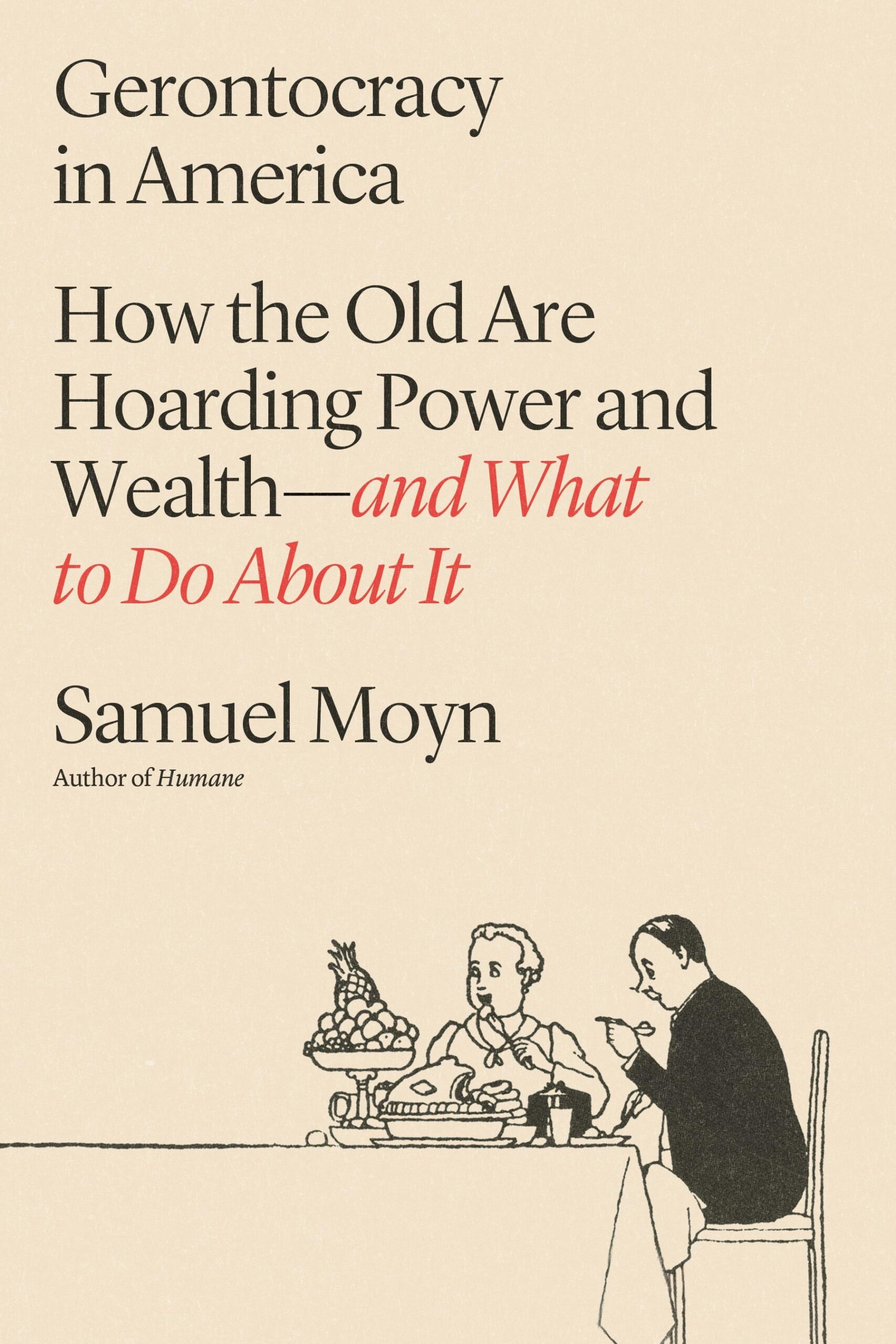
Gerontocracy in America: How the Old Are Hoarding Power and Wealth―and What to Do About It, by Samuel Moyn (Farrar, Straus and Giroux, 288 pp., $30.00) “The youth of America is their oldest tradition” —Oscar Wilde When we look at an aged face, what do we presume? Wisdom? Weakness? Stubbornness? Age is not just a number. It sends a signal about who we are, what we have done, and what is left for us to do. Samuel Moyn’s Gerontocracy asks a question that might have seemed strange until recently: Do old people…
By
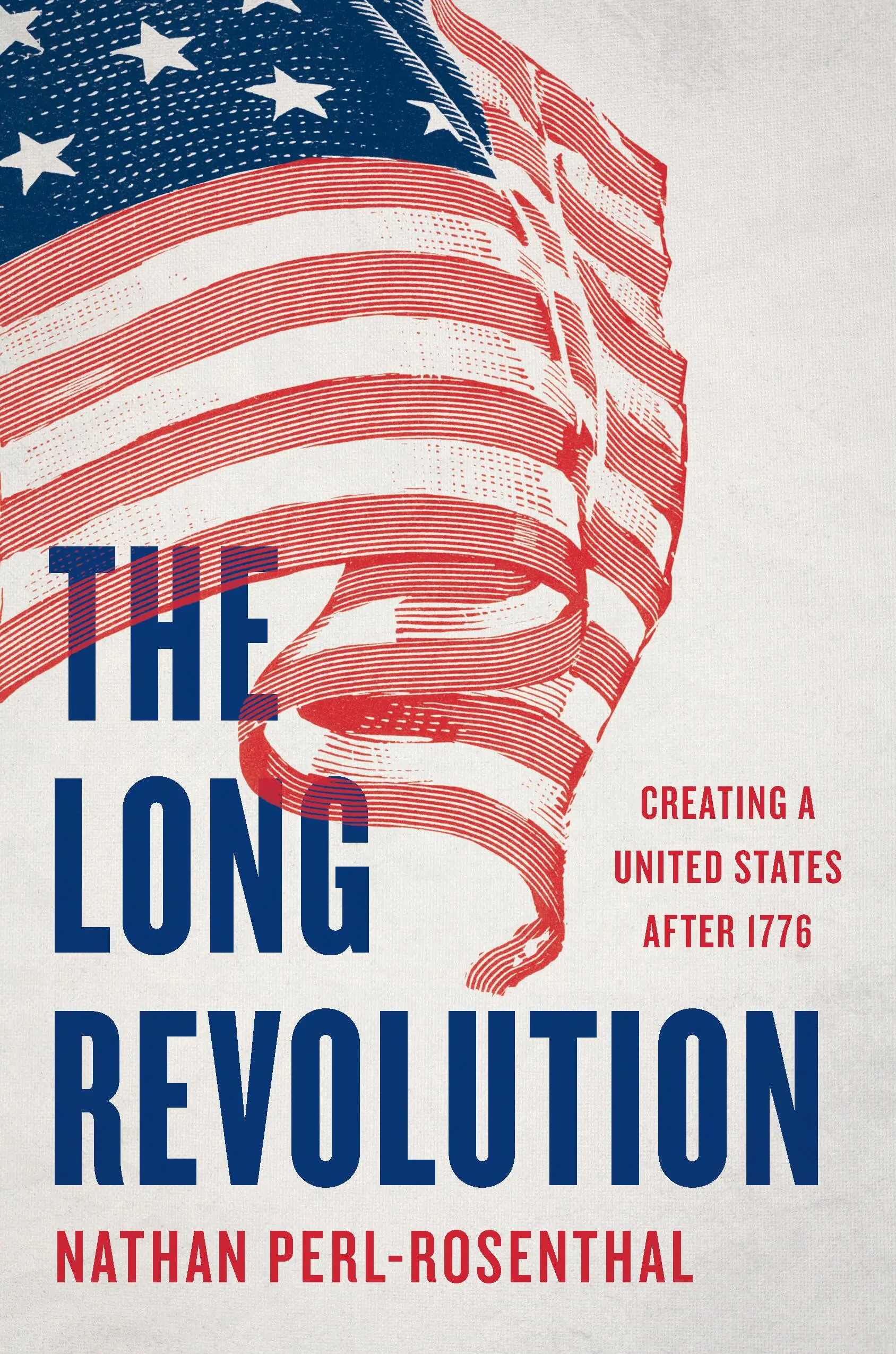
The Long Revolution: Creating a United States After 1776, by Nathan Perl-Rosenthal (Basic Books, 272 pp., $30.00) On July 4th, 1834, Democrats gathered in Philadelphia to celebrate two events dear to their hearts. One was the 58th anniversary of the Declaration of Independence. The other was, as one partisan newspaper account put it, “the triumph of the People over the United States Bank.” Henry D. Gilpin, orator for the day, had been one of President Andrew Jackson’s appointed directors of the Second Bank of the United States. During his brief tenure,…
By
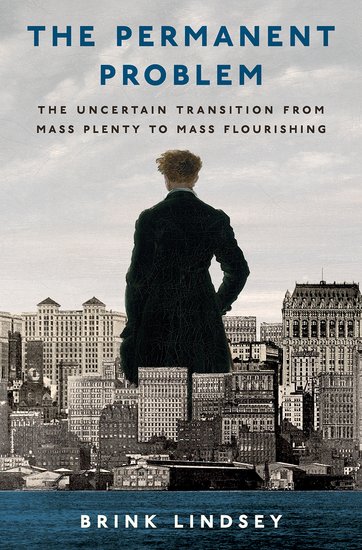
The Permanent Problem: The Uncertain Transition from Mass Plenty to Mass Flourishing, by Brink Lindsey (Oxford University Press, 248 pp., $29.99) In The Permanent Problem: The Uncertain Transition from Mass Plenty to Mass Flourishing (2026), Brink Lindsey offers an intriguing, deeply philosophical analysis of America’s political scene. Unlike radical socialists or “post-liberal” conservatives, Lindsey—the “liberaltarian” vice president of the Niskanen Center—critiques liberal capitalism with an eye for reform as opposed to revolution. American capitalism and liberal democracy are in crisis. Our system has become a victim of its own success. Unprecedented wealth sits at…
By
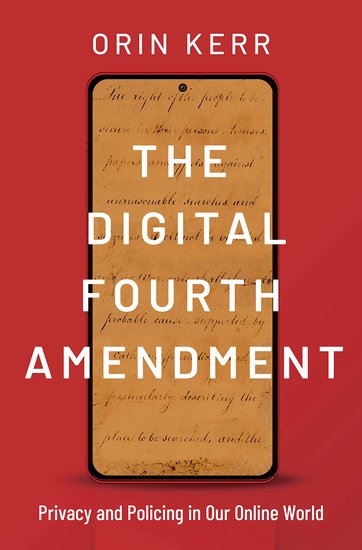
The Digital Fourth Amendment: Privacy and Policing in Our Online World, by Oren Kerr (Oxford University Press, 264 pp., $34.95) The most basic business of governance, after enacting laws, is enforcing them: sending policemen to arrest suspected criminals, seating them before a judge and jury, and, upon conviction, depositing them in prison. Today, “everything-to-all-people” governments in Washington, D.C. and many state capitals propound regulations and dispense subsidies in the attempt to “make you smarter, taller, richer, and remove the crabgrass on your lawn,” in P.J. O’Rourke’s phrase, distracting from the essential…
By
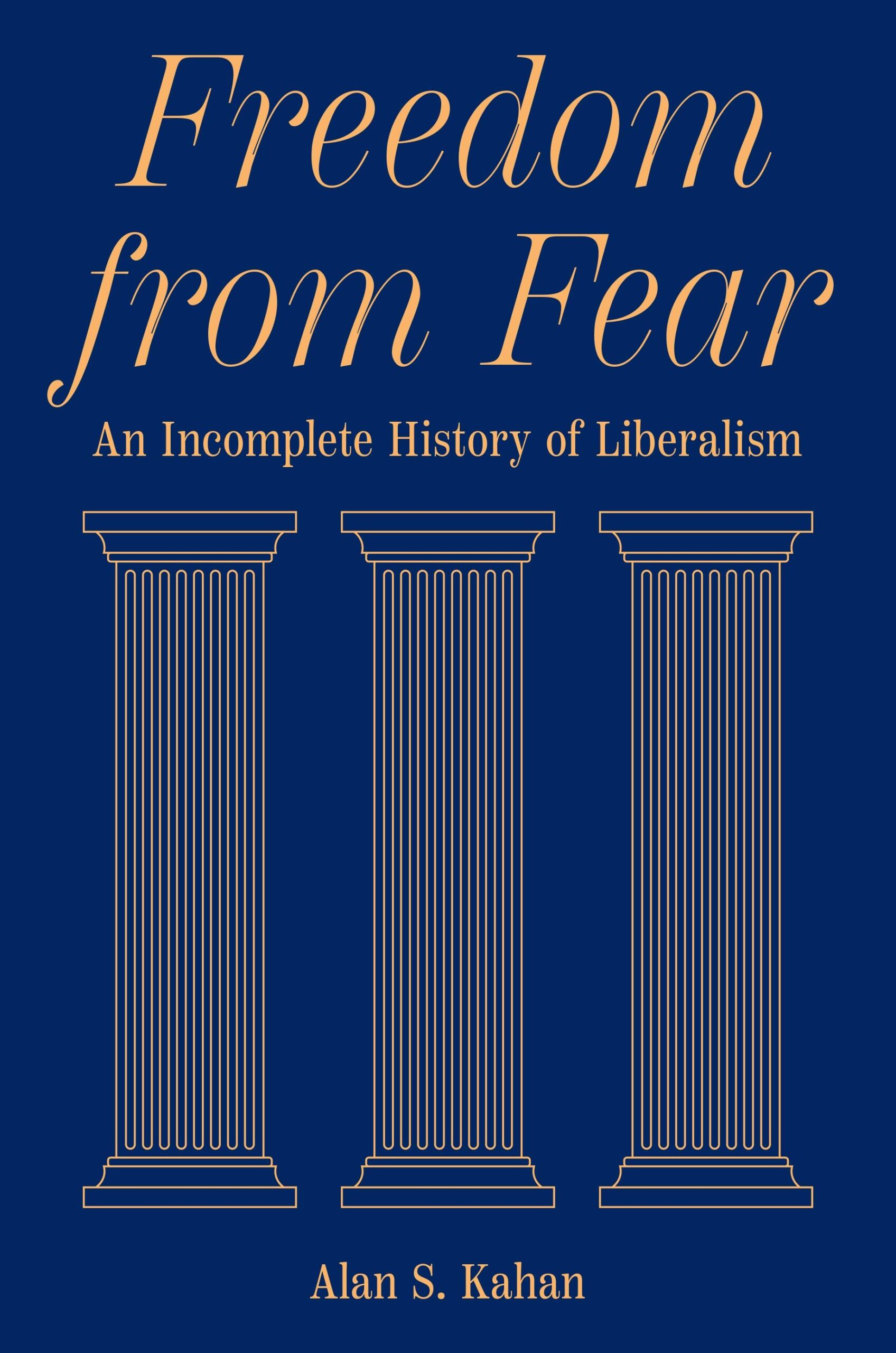
Freedom from Fear: An Incomplete History of Liberalism, by Alan S. Kahan (Princeton University Press, 528 pp., $29.95) Neither the coterie of right-wing intellectuals who dub themselves postliberals nor many of the defenders of the liberal tradition in its 21st century hour of need can agree on what, exactly, liberalism is. Many so-called postliberals understand liberalism as bereft of moral claims, a definition accepted by many who embrace the term today. Both sides operate on the consensus that liberalism is the brainchild of John Locke. Alan S. Kahan, an intellectual historian…
By
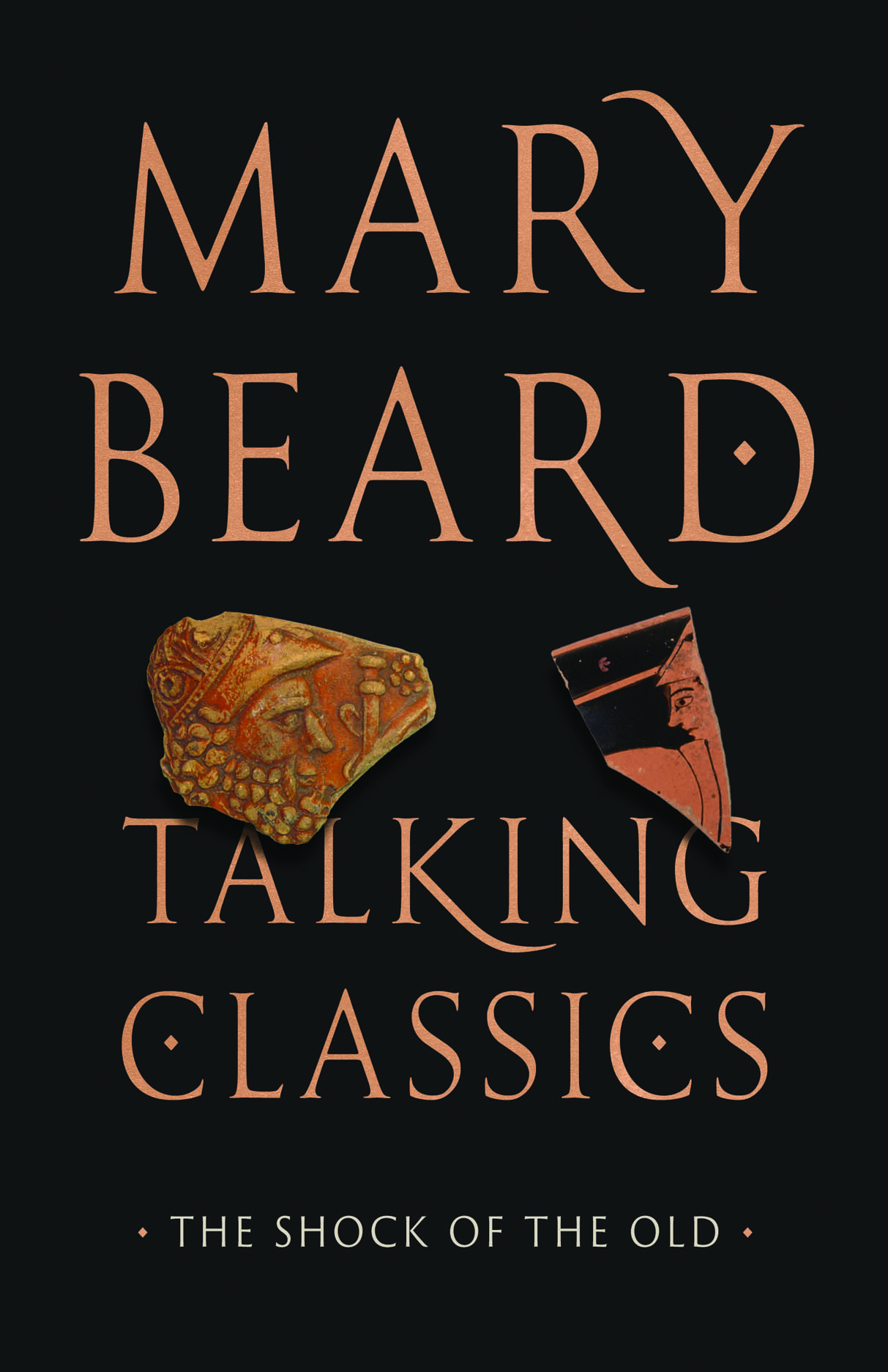
Talking Classics: The Shock of the Old, by Mary Beard (The University of Chicago Press, 208 pp., $22.50) Just like comic book superheroes and villains, every classics scholar has an origin story. I am speaking of that moment of amazement when a slightly awkward young nerd possessing high-prescription eyewear and lacking all fashion sense realizes that he wants to study something normal people blissfully ignore—maybe Roman legionary brick stamps, the Greek optative mood, or the work of a little-known ancient poet—for the rest of his life. Maybe he visited a striking…
By
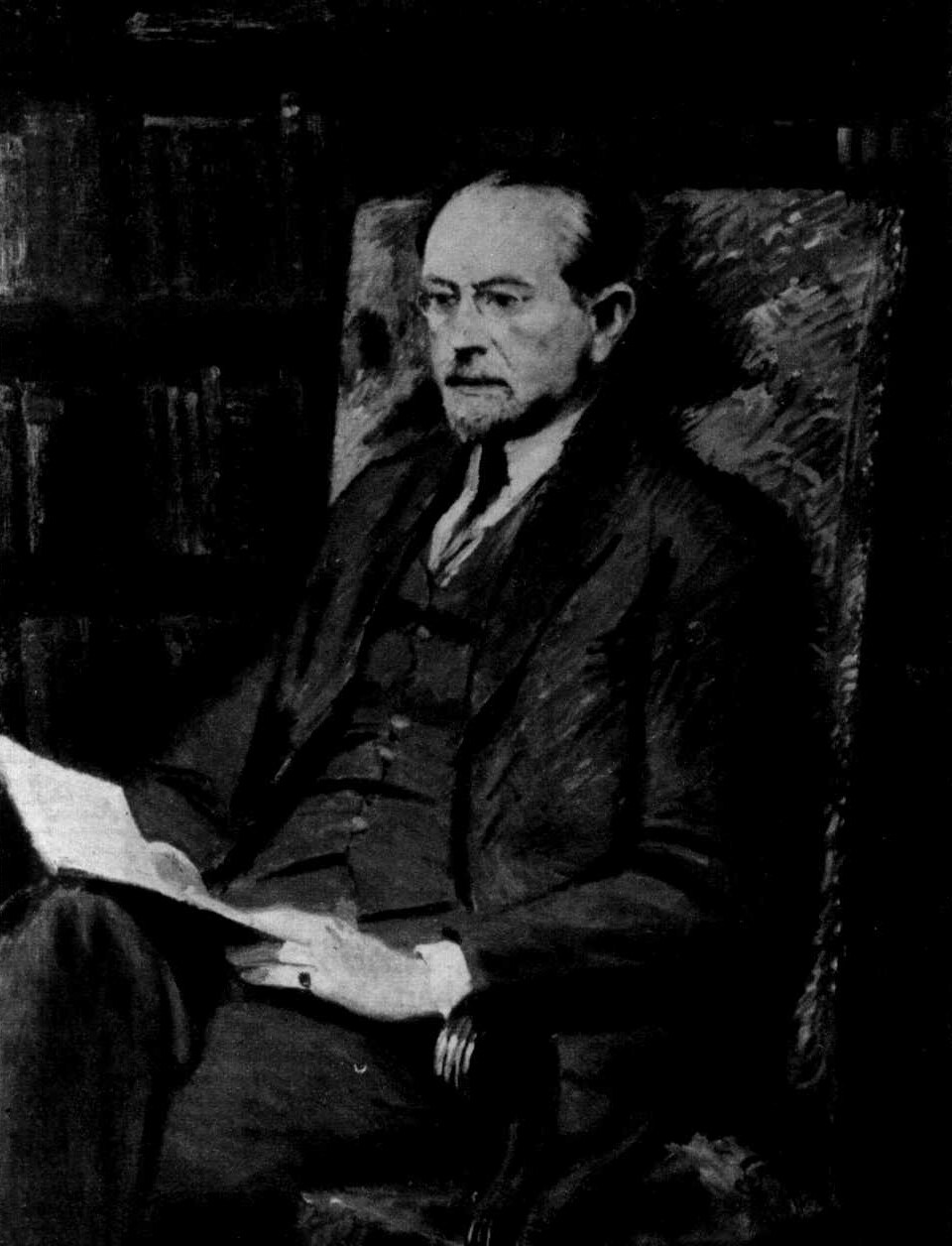
One of the major questions of modern historiography concerns the beginnings of “capitalism.” Well-known explanations include Karl Marx’s account of the victory of the bourgeoisie over the feudal class and Max Weber’s tracing of the spirit of capitalism to the Protestant ethic. A key challenge faced by scholars is that capitalism is a rich concept that can refer to an economic system as well as a political ideology or even a worldview. The term can be used both as a neutral term of analysis and as a normative one for either…
By
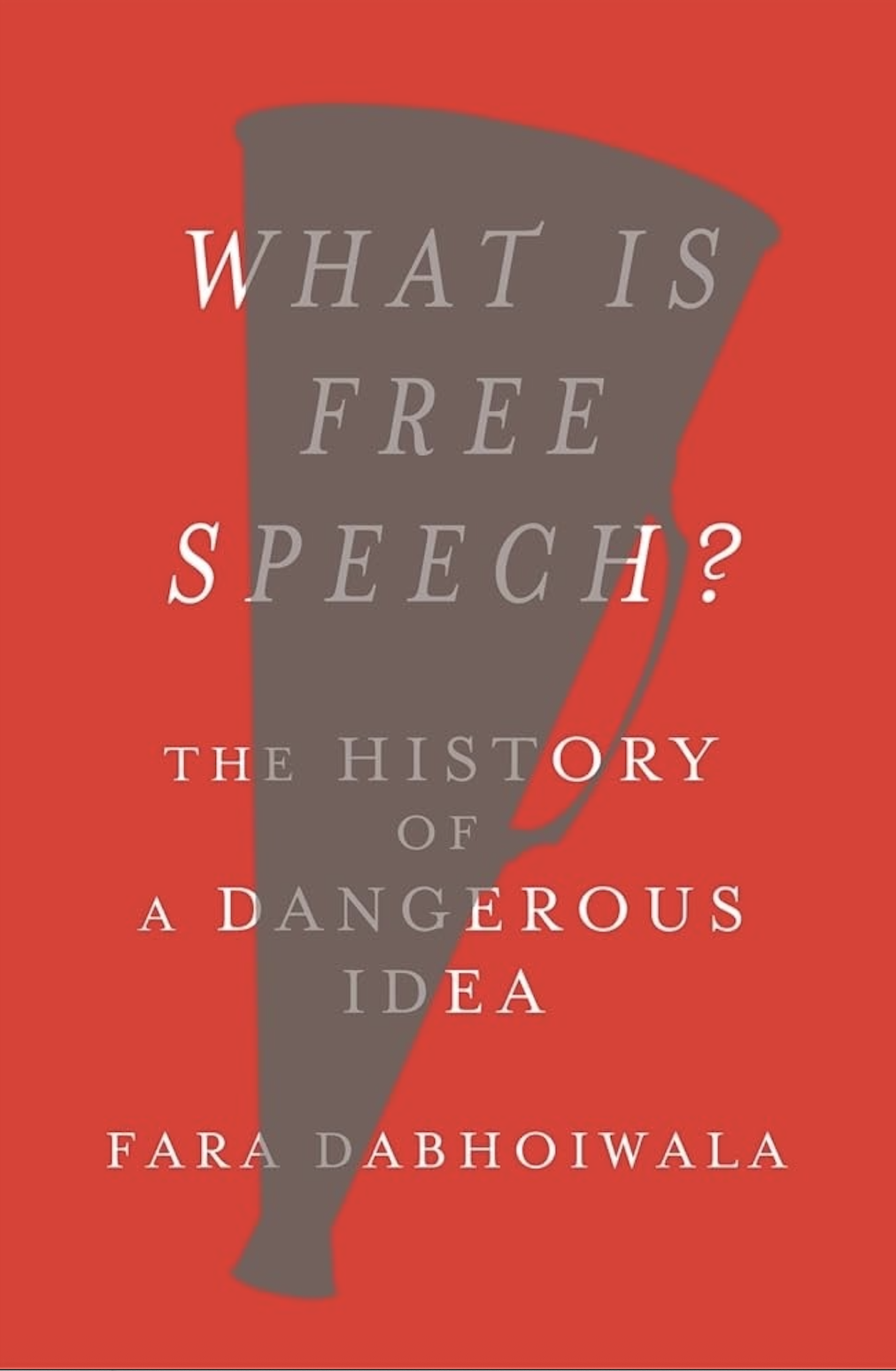
In 2015, Yale students confronted Nicholas Christakis, a professor at the university, over an email his wife had sent encouraging them to embrace, rather than fear, offensive Halloween costumes. A number of students were crying and one student told Christakis that a university “is not about creating an intellectual space.…It is about creating a home here.” In 2019, a Gallup survey of more than three thousand college students found that large majorities favored restricting racial slurs and stereotypical costumes. Clearly, our understanding of free speech is changing. Campus speech codes, “cancel culture,” and renewed calls – often from within the academy…
By
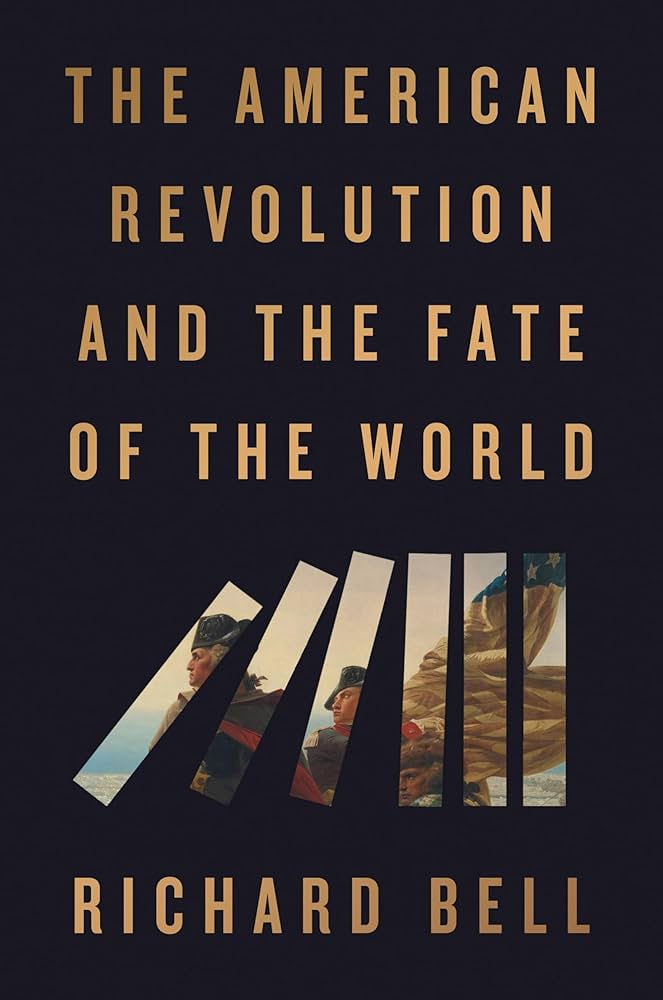
The American Revolution and the Fate of the World, by Richard Bell (Penguin Random House, 416 pp., $35.00) Ralph Waldo Emerson, dean of the American transcendentalist poets, famously called the first shot of the American Revolution the “shot heard round the world” in his hymn for the Battle of Concord. The phrase has echoed through the ages as one of the most iconic in American history. Indeed, the entire world would come to hear the shots of the American Revolution. Not only in Concord and Yorktown, but from Gibraltar to…