
In the Tradition of Liberty.
In the Tradition of Liberty.
In the Tradition of Liberty.





FUSION’s archive of interviews.
By
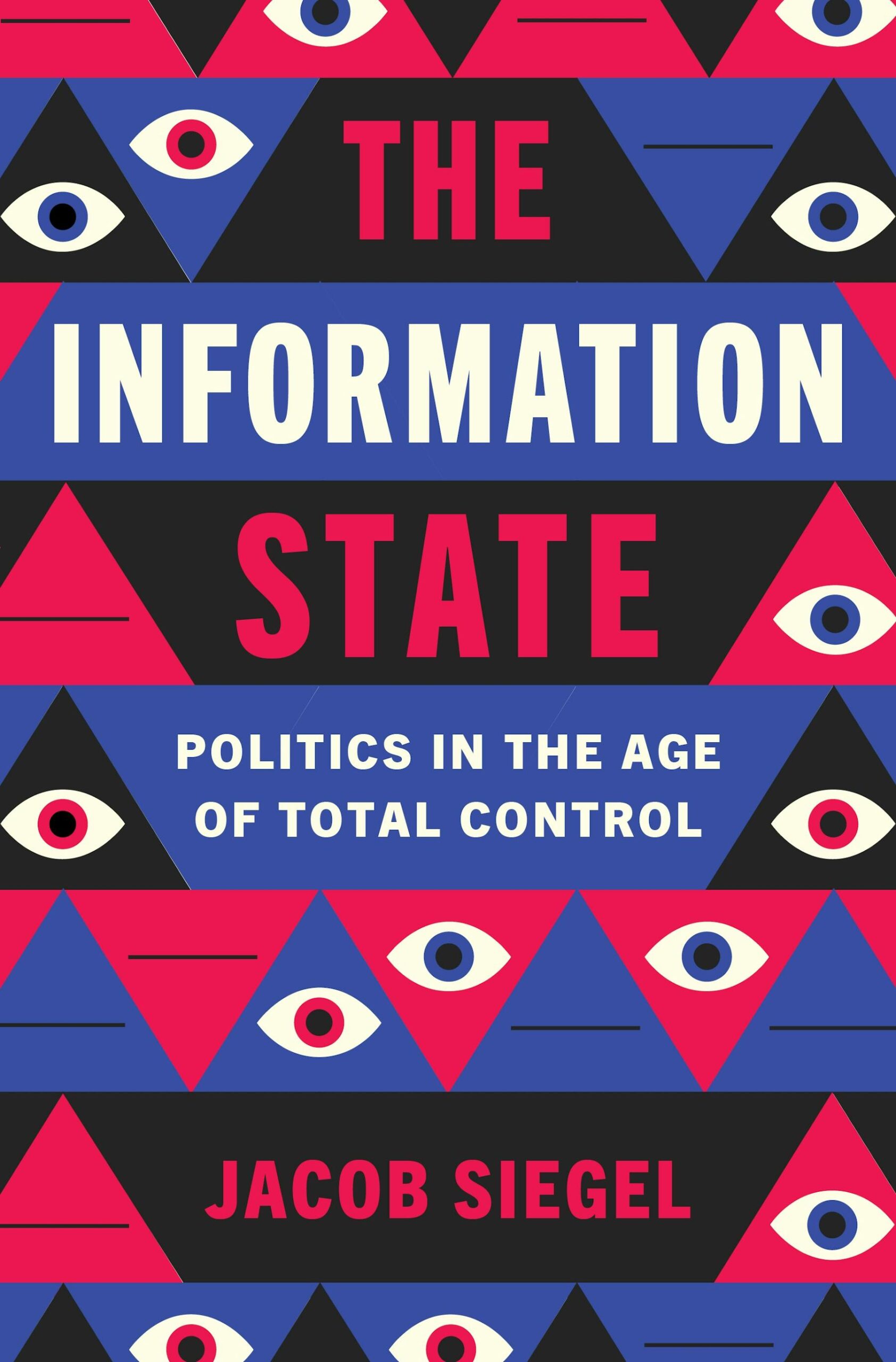
The idea of the information state—and the corresponding suspicion that unseen technological forces shape our beliefs about politics, culture, and even reality—pervades modern culture. But how should we really understand the digital instruments of power that govern today’s world? In The Information State: Politics in the Age of Total Control, author Jacob Siegel traces the origins of the information state and its effects on political life. As technological development continues, questions about the information state’s effects on individual autonomy and democratic consent will only grow more urgent. Whether the system contains…
By
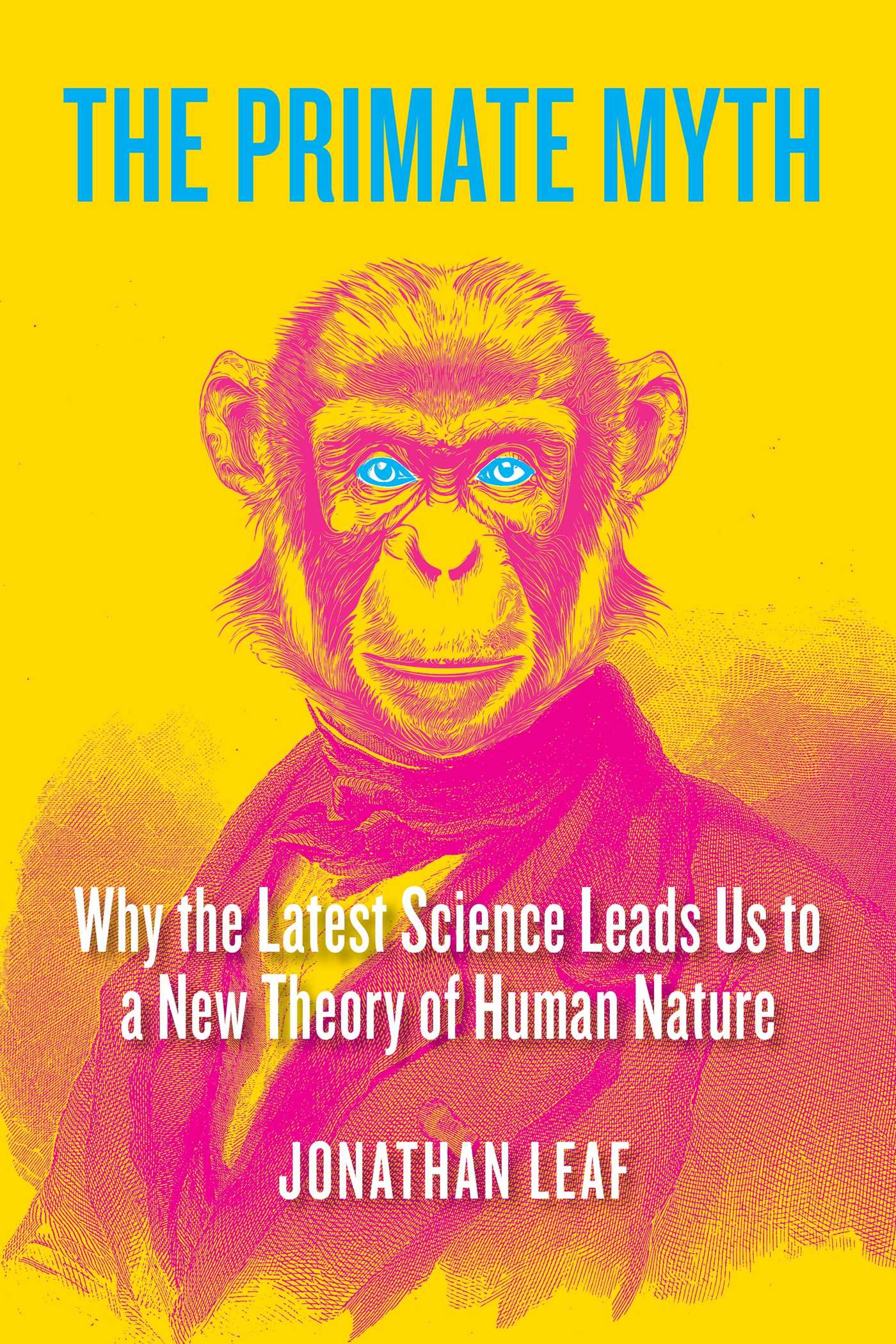
For generations, we’ve gazed into the eyes of chimpanzees and seen ourselves reflected back—a comforting mirror that suggested our nature was written in their behavior. But what if we’ve been looking at the wrong animal all along? In The Primate Myth, the author Jonathan Leaf dismantles one of modern science’s most cherished assumptions: that studying our closest genetic relatives reveals the essence of human nature. The stakes extend far beyond academic taxonomy. How we understand ourselves shapes everything from war and peace to family structure and democratic governance. If we’re…
By
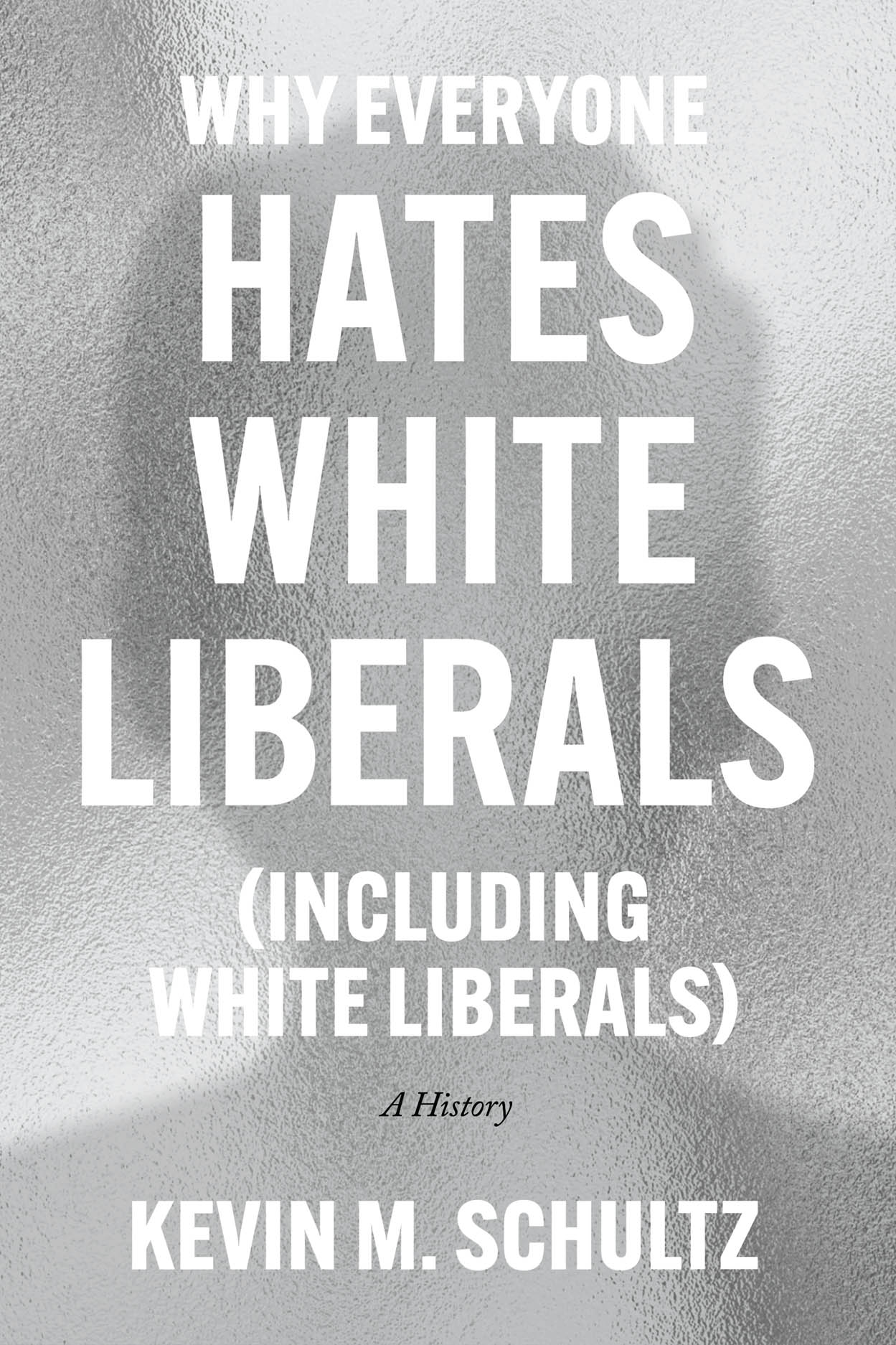
What does it mean to be a liberal in America—and why has that label inspired both devotion and disdain? Kevin Schultz, historian and author of Why Everyone Hates White Liberals (Including White Liberals), argues that liberalism as we know it was not born in Jefferson’s era or Lincoln’s, but in the crucible of the Great Depression, when Franklin Roosevelt deliberately adopted the term to stake out a middle ground between communism and fascism. In this wide-ranging conversation, Schultz traces how liberalism’s meaning has shifted across centuries, how figures from John…

By
The Soviet space program is not remembered; it is misremembered. The statues of Gagarin rise like monoliths to a triumph that tells only half the story. In the West, we cast it as a sideshow to our own grand narrative: NASA, the moon, the Right Stuff. But the history of the Soviet space program, as John Strausbaugh makes clear in The Wrong Stuff: How the Soviet Space Program Crashed and Burned, hardly unfolded so neatly. Beneath the propaganda, behind the steel beach ball of Sputnik, lies a tale of contradictions…
By
Free trade was foundational for the world order the U.S. and its allies designed as the Cold War waned in the late 1980s. At home, American politicians from Ronald Reagan to Bill Clinton touted trade liberalization as an engine growth and globalization that could lead to enduring peace. Intellectuals, pundits, and lookers-on were prone to more prosaic pronouncements: the end of history was nigh, the world was flat, the future had arrived. Capitalism and liberal democracy had triumphed over the planned economies socialist states—state-appointed tsars of communist simply couldn’t keep…
By
Nostalgia seems to be everywhere in politics today. On the left, communitarian movements and concepts like “degrowth” seem to search for a future informed by a human past that was more localized and in touch with the environment. Then too, policy proposals like those clustered in the “Green New Deal” explicitly harken back to the heyday of midcentury and wartime liberalism, when the American never shied but rather embraced big social problems and infrastructure projects. On the right, where do we even begin? The terminally online who embrace the label…

By
In 1929, Albert Einstein sat for an interview with the Saturday Evening Post. Einstein’s work on general relativity and unified field theory won him a Nobel Prize in 1921 and captivated the public imagination. When the Post interviewer asked about the inner-workings of the physicist’s mind, Einstein replied: “I am enough of the artist to draw freely upon my imagination. Imagination is more important than knowledge. Knowledge is limited. Imagination encircles the world.” In postwar America, the idea that imagination is separate from knowledge took on a force of its own.…